Minden reggel százmilliók állnak a hajszárítójuk előtt világszerte, hogy befejezzék napi hajápolási rutinjukat. Gondosan kiválasztott samponjaikkal, rendszeresen alkalmazott hajmaszkjaikkal és pontosan szabályozott kémiai kezelések gyakoriságával igyekeznek hajuk egészségét megőrizni. Ugyanakkor a tudományos kutatások egy meglepő tényt erősítenek meg egyre gyakrabban: a napi hajszárításból származó hőhatás összegyűlt károsító hatása az igazi ok, amely a hajminőséget érintő problémák túlnyomó többségéért felelős.
A szakmai kutatások szerint a globális nagysebességű hajápolási hajszárító piac 2024-ben kb. 87,09 milliárd jüan (CNY) forgalmat ért el, és 2031-re kb. 223,5 milliárd jüanra (CNY) nő, éves összetett növekedési üteme 14,3%. Ennek a gyors piaci növekedésnek az alapjában egy alapvető változás áll a fogyasztói gondolkodásban: a sebesség prioritásáról az egészség prioritására történő átállás.
Az figyelmen kívül hagyott napi károsodás: Hogyan okoz fokozatosan magas hőmérséklet “Főzik ”Hajszál
A haj mikroszkopikus szerkezete három rétegből áll kívülről befelé: a kutikula, a kortex és a velő. A kutikula úgy működik, mint egy „miniatur tükör”: száraz állapotban szorosan zárva marad, így védi a haj belső szerkezetét és nedvességtartalmát. Ha azonban a haj nedves, a kutikula kinyílik. Ebben az állapotban a hajszárító forró levegője megnöveli a kutikula nyílását, gyorsítja a nedvesség elvesztését, és száraz, törékeny hajat eredményez.
Egy mélyebb szintű károsodás a fehérjék szintjén következik be. A magas hőmérséklet megszakítja a haj keratinjában található diszulfidkötéseket, ami fehérje-denaturációt okoz – ez az alapvető oka annak, hogy a haj törékennyé válik, hajlamos a törésre, és elveszíti rugalmasságát. Ugyanakkor a pigmentmolekulák, például a melanin, magas hőmérsékleten gyorsabban bomlanak le, fokozatosan sárgás és tompa színűvé téve a hajat.
Egy 2025-ben a Journal Medical Lasers című folyóiratban megjelent, az LG Electronics által készített tanulmány szerint a hagyományos hajszárítók gyakran 90 ℃ feletti hőmérsékleten működnek, ami meghaladja a keratinrostok számára biztonságos határértéket. A folyamatos hőkezelés 4,9%-kal növeli a kutikula felületi érdességét, 9,4%-kal csökkenti a szakítószilárdságot, és 19%-os veszteséget okoz a diszulfidkötések integritásában. Egy másik tanulmány kimutatta, hogy egy hónapig naponta használt hajszárító elegendő ahhoz, hogy felemelje a kutikulát, jelentősen csökkentse a nedvességtartalmat és a mechanikai tulajdonságokat, valamint jelentősen megnövelje a fehérje-kibocsátást.
A tudományos logika hátterében “a károsodás 90%-a a hajszárítóktól származik ”
Állításuk nem azt célozza, hogy elutasítsák a festés és a göndörítés okozta károkat – a kémiai kezelések valóban szerkezeti károsodást okoznak a hajban. A lényeg a gyakoriságban rejlik: a festés és a göndörítés időszakos tevékenységek, míg a fújószárítás napi rutin. Egyetlen göndörítés termikus károsodása rövid időn belül koncentrálódik, de a napi fújószárítás kumulatív hatása évek során halmozódik fel.
A 2011-ben a Yonsei Egyetem által az Annals of Dermatology című szakfolyóiratban megjelent tanulmány kimutatta, hogy a hajszárító használata több felületi károsodást okoz a hajban, mint a természetes szárítás. Azonban a meglepőbb felfedezés az volt, hogy bár a természetes szárítást alkalmazó csoportnál kevesebb felületi károsodást észleltek, a sejthártya-komplex károsodott – a hosszabb ideig tartó nedvesség lehetővé teszi, hogy a víz behatoljon a hajszálba, ami duzzadást és szerkezeti károsodást eredményez. A tanulmány következtetése szerint: egy hajszárító 15 cm-es távolságból, folyamatos mozgatással történő használata kevesebb összes károsodást okoz, mint a haj természetes szárítása.
A kulcs a megfelelő technikában rejlik – a megfelelő hőmérséklet és a gyorsabb szárítási idő kombinációja a hajra legkevésbé káros módszer.
Az iparág átalakulása: A hajbarát szárítótechnológiák felvirágzása
Miután elismertük a hő okozta károk súlyosságát, az egész hajszárító-ipar több éve technológiai újítások hullámával néz szembe. A hajbarát szárítók új generációja messze túlmutat az alapvető „hajszárítás” funkción, és három kulcsfontosságú technológiai úton keresztül újraformálja a fújós szárítás élményét.
Nagyon gyors motorok és alacsony hőmérsékleten történő gyors szárítás
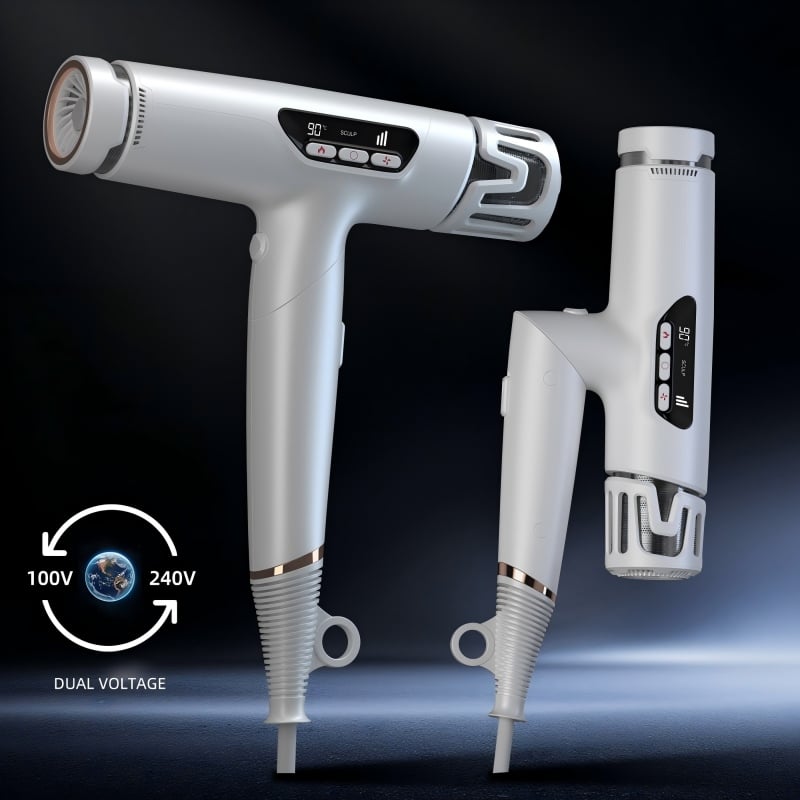
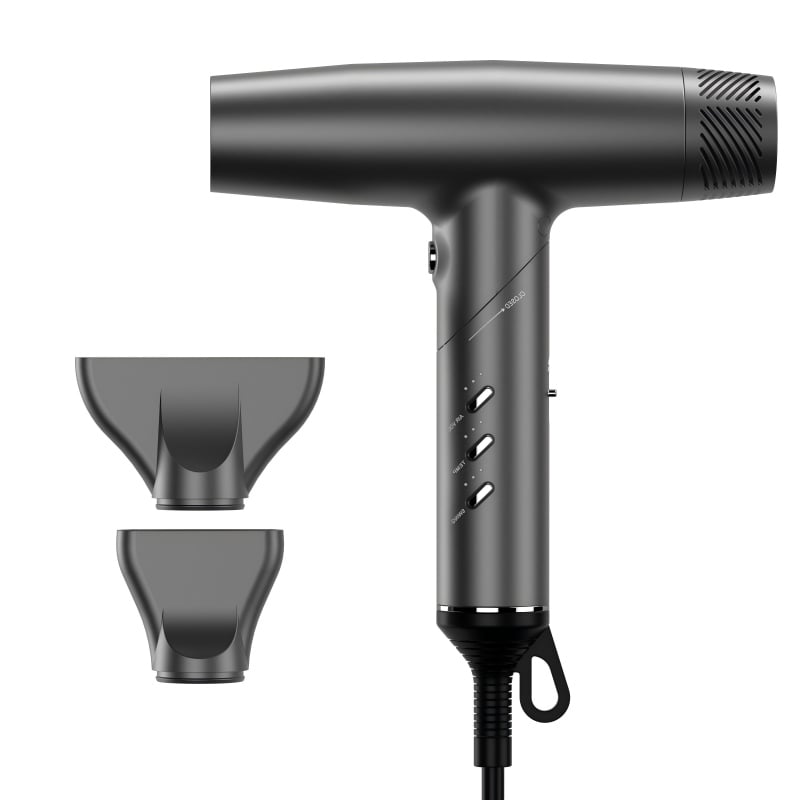
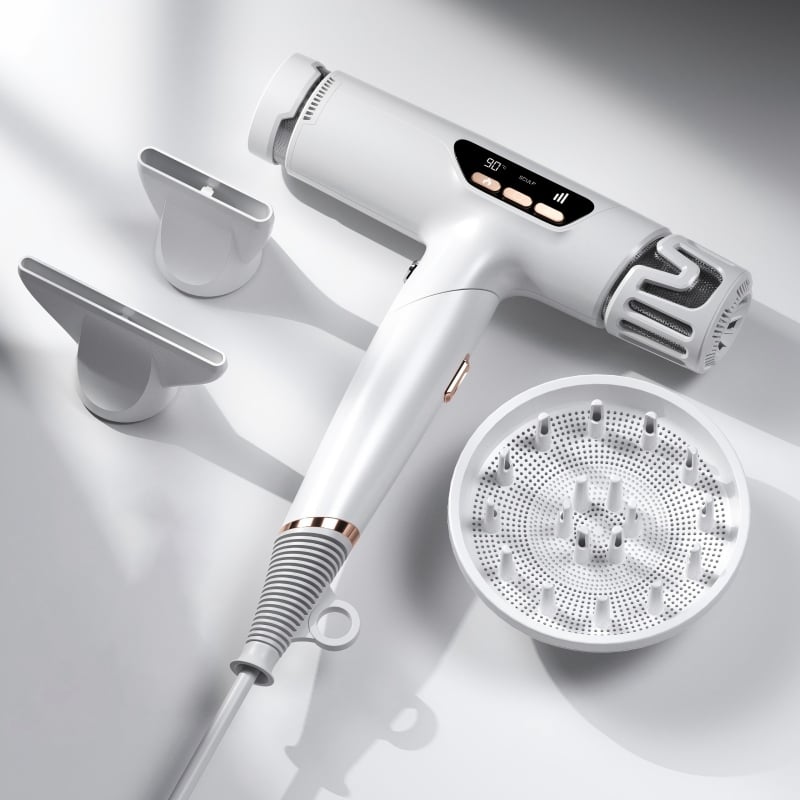
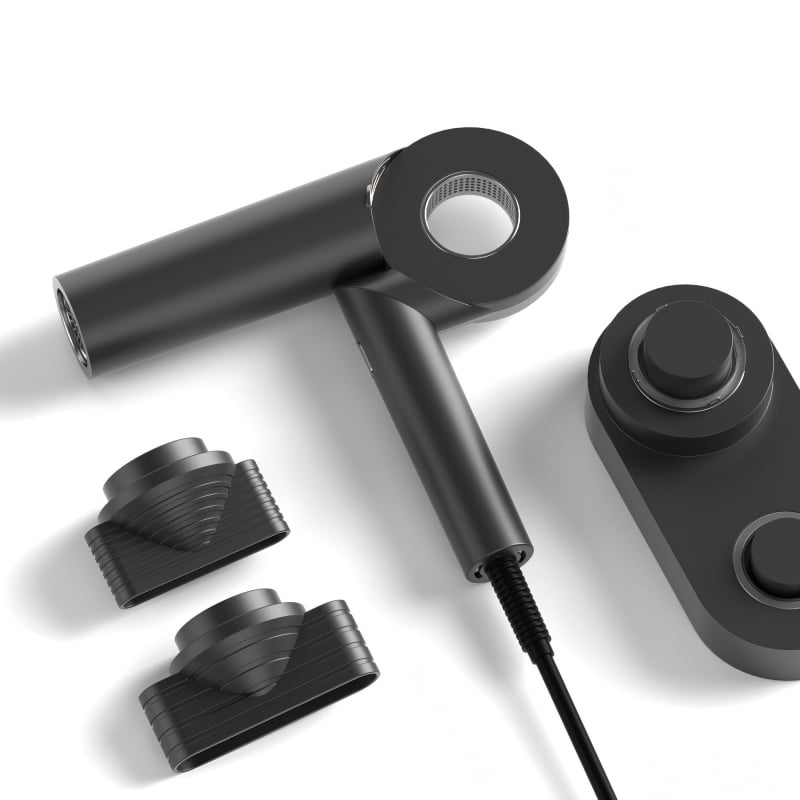
A régi „lassú, magas hőmérsékleten történő sütés” paradigmát felváltja egy új megközelítés. A prémium minőségű hajszárítók ma már általában 110 000 fordulat/perc sebességgel működő, nagy teljesítményű, kefementes motorral vannak felszerelve, amelyek nagynyomású, nagy sebességű levegőáramot állítanak elő, így a vízmolekulákat „lefújják” a hajról, nem pedig „kiégetik” azokat. Ez a megközelítés jelentősen csökkenti a haj hőhatásnak való kitettségének idejét, és alapvetően csökkenti a hőterhelést.
Távoli-infravörös kerámiafej technológia
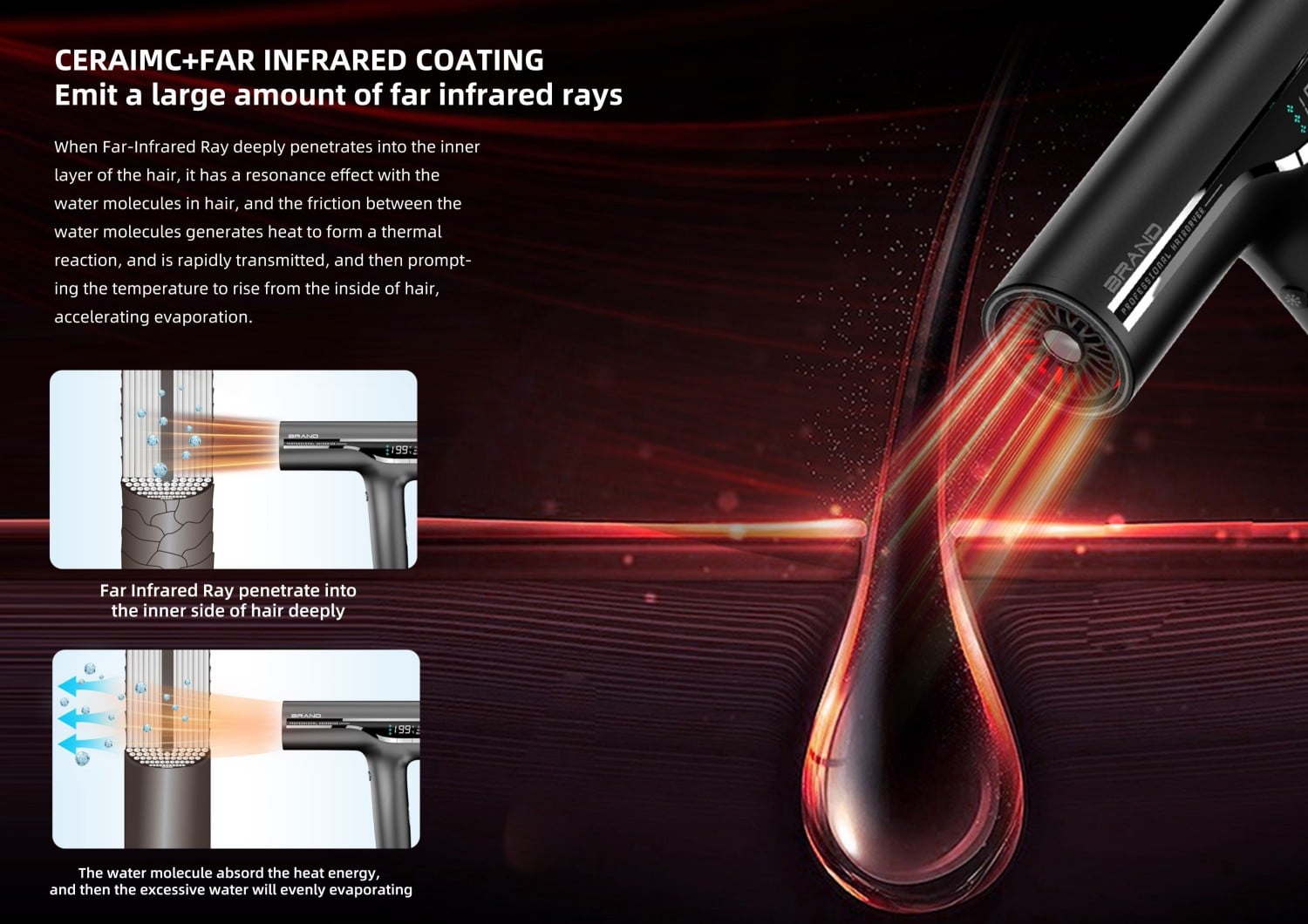
A kerámia anyag távoli infravörös sugárzást bocsát ki, amikor a hajszárító levegőkimeneténél alkalmazzák. A fűtőelem által létrehozott hő távoli infravörös sugarakat bocsát ki, amelyek behatolnak a hajba, és gyorsítják a nedvesség elpárolgását, miközben csökkentik a hő okozta károsodást. A kerámia fúvóka egyenletesen osztja el a hőt, javítva a szárítási hatékonyságot, csökkentve az elektrosztatikus töltődést, és simábbá teszi a hajat.
TFT hőfólia technológia
A hőfóliatechnológia poliimid fóliákat használ, amelyek magas hőstabilitást és elektromos szigetelést biztosítanak. A Joule-effektus révén gyorsan és egyenletesen melegszik fel. A nikkel-krom vezetékhez képest gyorsabb felmelegedést, egyenletesebb hőeloszlást, pontosabb hőmérséklet-szabályozást, 20–30%-kal jobb energiahatékonyságot, valamint nagyobb biztonságot és hosszabb élettartamot nyújt.
Gráfen technológia
A grafén rendkívül magas hővezető-képességgel rendelkezik, amely ötszörös hatékonyságot biztosít a rézzel összehasonlítva. Gyorsan és egyenletesen vezeti a hőt, javítva ezzel a hőhatékonyságot és stabilitást. A hagyományos anyagokhoz képest a grafén hőszigetelő fóliák hatékonyabbak, könnyebbek, kiváló hőállósággal, tartóssággal és elektromos szigeteléssel rendelkeznek, így biztosítják a termékek biztonságát és megbízhatóságát.
Légáram-fokozó technológia
A Légáram-fokozó technológia aerodinamikai elveket használ a hajszárító légáramának növelésére. Egy nagysebességű motor és egy egyedi légáram-terv kombinációjával, a Coanda-hatás és Bernoulli elve segítségével gyors, egyenletes légáramlást ér el, csökkenti a zajt, védheti a haj minőségét, és lehetővé teszi a gyors szárítást sima, természetes frizura kialakításához.
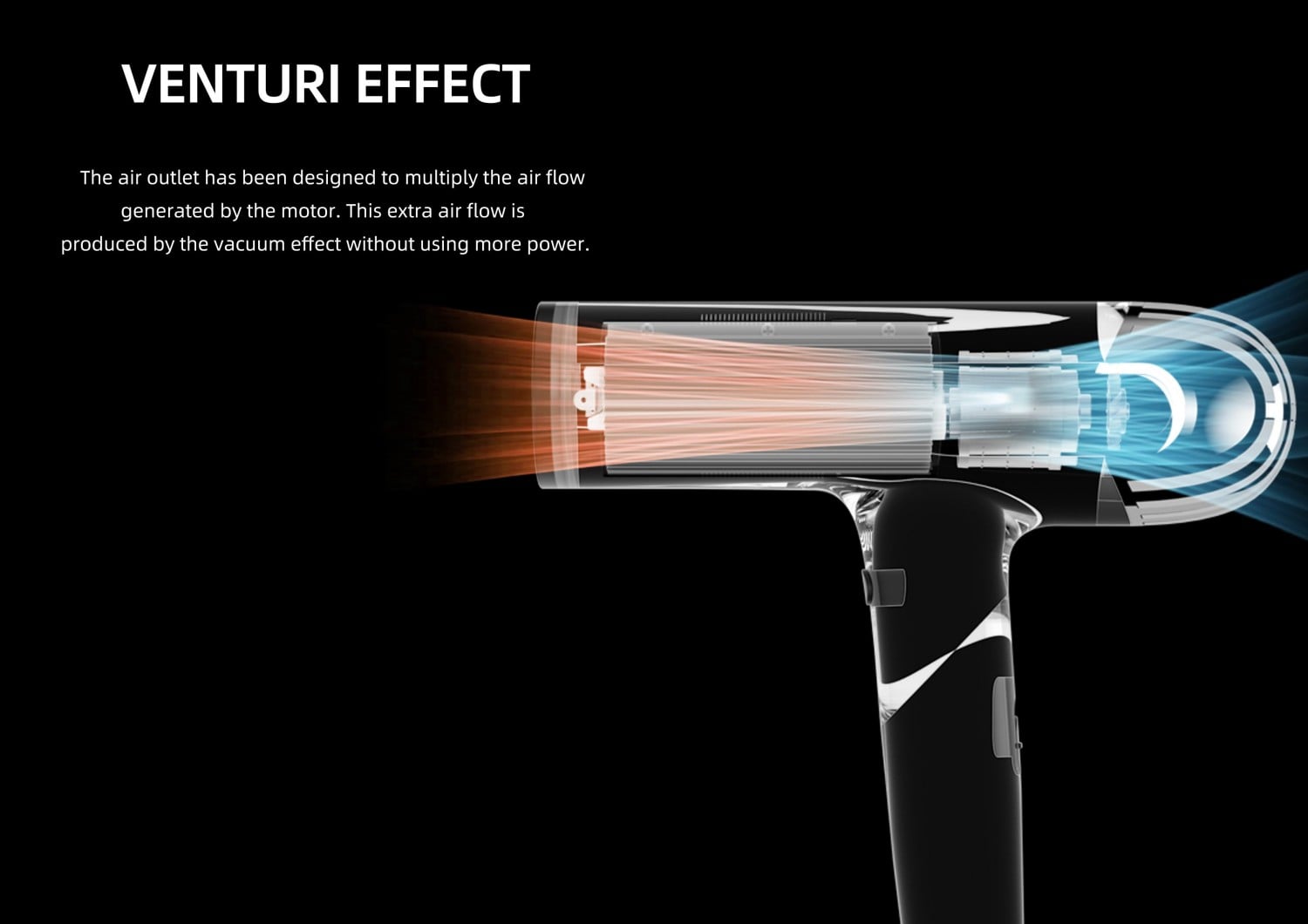
Aerodinamikai csatorna technológia
A csővezetéket a folyadékok mechanikájának alapelvei alapján tervezték és optimalizálták, hogy javítsák az energiaátalakítási hatásfokot és a komfortérzetet. Csökkenti a légellenállást a csőben, biztosítva egyenletesebb légáramlást és hőmérséklet-eloszlást a kifúvónál, miközben csökkenti az aerodinamikus zajt, így javul az összteljesítmény.
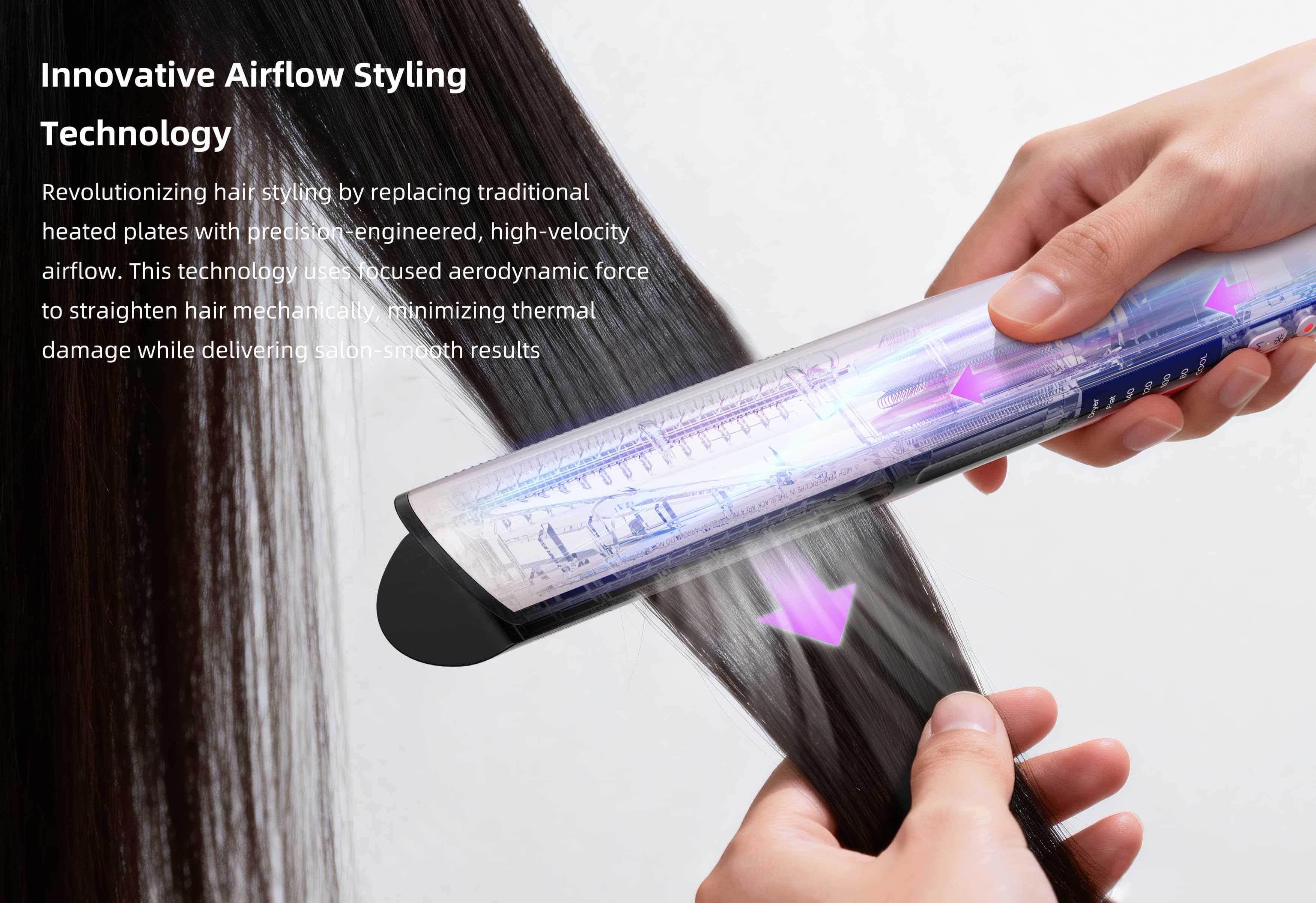
Következtetés és Kijárattérkép
A hajkárosodás okainak értelmezése újraíródik – a „kémiai kezelések ára” helyett most a „napi ápoltatás vakfoltjai” kerülnek előtérbe. Ez nem jelenti azt, hogy tagadnánk a festés és a göndörítés káros hatását, hanem arra figyelmeztetjük a fogyasztókat, hogy látszólag ártalmatlan napi szokásaink gyakran a valódi, láthatatlan ellenségei a haj egészségének.
A fogyasztók számára a hőkárosodás elleni leghatékonyabb megoldás egy intelligens hőmérséklet-szabályozással és negatív iontechnológiával ellátott, nagy sebességű hajszárító kiválasztása, valamint a megfelelő használati gyakorlatok alkalmazása – legalább 15 cm távolság megtartása, túlzott hő elkerülése és a szárítás gyakoriságának csökkentése. Az iparág számára ez a felismerés jelentős lehetőséget jelez a hajápolási technológiák innovációjára: a piac éppen átmenetben van a „szárítóeszközökről” a „komplex fejbőr- és hajegészség-menedzsment eszközökre”. A jövőben az AI-alapú hőmérséklet-szabályozás, a vezeték nélküli technológia és a fenntartható anyagok területén elért további áttörésekkel a hajszárító az mindennapi szükségletből igazi partner lesz a hosszú távú hajegészség megőrzésében.
 Friss hírek
A Dongguan Meisheng Intelligent Technology Co., Ltd. kiváló minőségű hajápoló eszközök szakértője, teljes körű OEM/ODM szolgáltatással. Fejlett kutatási-fejlesztési központjaink és az ISO-szabványnak megfelelő gyártás kiváló teljesítményt, biztonságot és testreszabhatóságot garantál. Világszerte megbízható partner. Kérjen árajánlatot még ma.
Room 301, building 7,288 nan Yi Street, Qiaotou Qiao East Road, Qiaotou, Guangdong province,China
Copyright © 2025 Dongguan Meisheng Intelligent Technology Co.,Ltd. All rights reserved. ADATVÉDELMI IRÁNYELVEK