As global demand for high‑performance hair care appliances continues to surge, China remains the undisputed manufacturing epicenter for personal care electronics. The Pearl River Delta - home to Shenzhen, Dongguan and Guangzhou - and Zhejiang province, particularly Ningbo and Jinhua, host fully integrated supply chains spanning motors, heating elements, precision molding, and export logistics. For importers, distributors, private‑label brands, and salon channel buyers, selecting the right manufacturing partner is not merely a procurement decision - it is a strategic commitment that determines product performance, market compliance, and long‑term brand reputation.
Regulatory Compliance And Safety Certifications: The Non‑Negotiable Baseline
The first filter in any supplier vetting process must be certification. A rohs hair dryer that cannot present verified RoHS test report is a liability, not an asset. RoHS compliance ensures the product is free from hazardous substances including lead, mercury, cadmium, and hexavalent chromium, with lead content capped at 0.1% and cadmium at 0.01%. Beyond RoHS, suppliers targeting European markets must hold CE and EMC certifications; North American distribution requires UL or ETL listing under IEC 60335 standards.
An ISO 9001 hair tools factory certification signals a mature quality management system, but buyers should verify the certificate’s scope covers hair dryers specifically and request batch‑specific test reports rather than generic documents. For dual voltage hair dryer products destined for travel retail or hospitality channels, additional documentation on voltage switching mechanisms, plug configurations, and regional safety warnings is essential.
Technical Verification: Beyond The RPM Number
Many suppliers advertise motor speeds of 110,000 or 120,000 rpm, but motor speed alone does not prove product quality. Buyers must evaluate the motor’s performance under actual loads, its ability to control temperature rise, and whether the airflow remains stable during continuous operation. A reputable manufacturer of 110,000 rpm brushless BLDC hair dryers should be able to provide detailed specifications of the motor system architecture - including bearing configuration, dynamic balancing, temperature rise curves, and continuous operation test data - rather than simply quoting a peak speed.
For hair dryers with negative ion functionality, the negative ion output must be verified through actual testing, not merely based on claims. Current industry testing standards stipulate that the negative ion concentration at a specified distance from the air outlet must not be less than 200,000ions/cm3, while the concentration of ozone byproducts should be below 0.05ppm. If a hair dryer’s negative ion function produces only a negligible output, it is essentially just a standard hair dryer with high‑end marketing hype. Reliable manufacturers will provide third‑party ion concentration test reports as well as data on airflow velocity and noise levels.
The high‑speed hair dryer category has moved beyond a one‑dimensional race of speed. As the market matures, differentiation is increasingly reflected in portability, smart temperature control, and integrated hair care technology. A high speed hair dryer manufacturer worthy of partnership should demonstrate strength across this broader range of performance dimensions, rather than relying solely on a motor specification sheet.
Manufacturing Scale, Quality Systems, And Supply Chain Transparency
Production capacity must match the order volume. Key metrics include factory floor space, the number of assembly lines, the level of automation, and a historical on‑time delivery rate of 97% or higher. For professional salon hair dryer orders, manufacturers must understand the durability requirement associated with the high‑intensity daily use in salons - including motor lifespan under continuous operation, the heat resistance of the housing materials, and the design of commercial‑grade power cords and plugs.
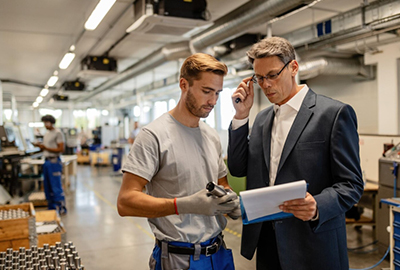
Factory transparency is equally important. Buyers should conduct remote or on‑site audits covering production lines, quality control checkpoints, and worker training procedures. Sample testing should evaluate whether airflow, noise levels (ideally below 85 dB), temperature consistency, and ionic performance align with approved benchmarks. The scenario where “samples are good but mass production is poor” can be avoided when the factory implements a documented protocol ensuring consistency between samples and mass production.
OEM&ODM Capability And Commercial Partnership Models
Differentiation in a crowded market requires customization capabilities. A capable partner should provide OEM&ODM services covering color schemes, brand identity, logo placement, packaging design, control layout, plug and voltage configurations, and accessory kits. The RFQ process should establish a set of fixed commercial benchmarks - covering target markets, electrical configurations, feature, accessories, branding, packaging, and compliance testing - to ensure that every supplier quotes based on the same specifications. Unpriced variables - that is, quotes that appear identical but conceal differences in plug types, accessories, or the scope of certifications - are the most common cause of procurement failures.
OUMI BEAUTIES: A Complaint Manufacturing Partner For Global Partner
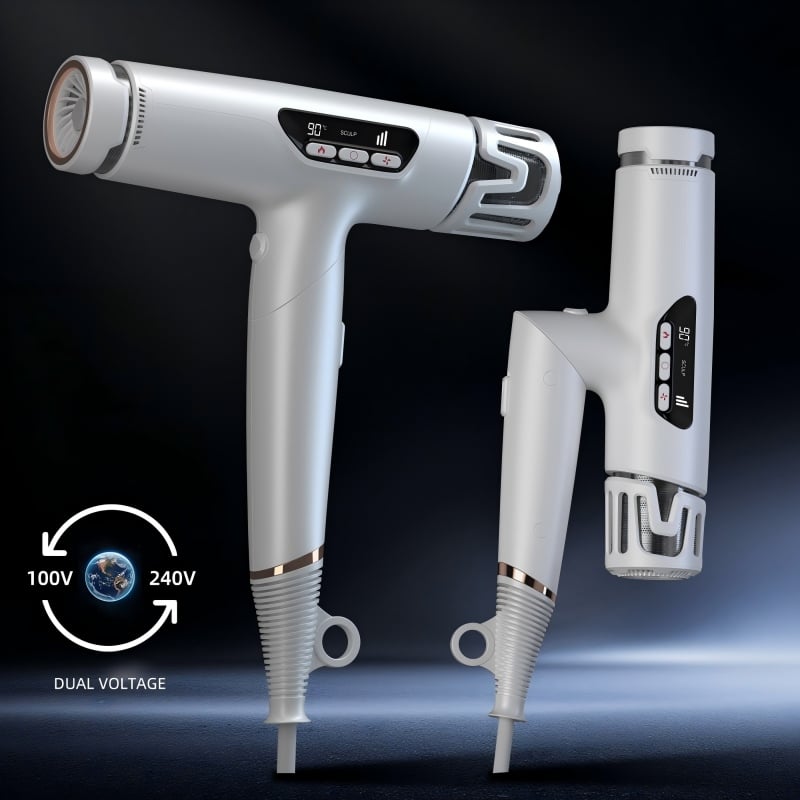
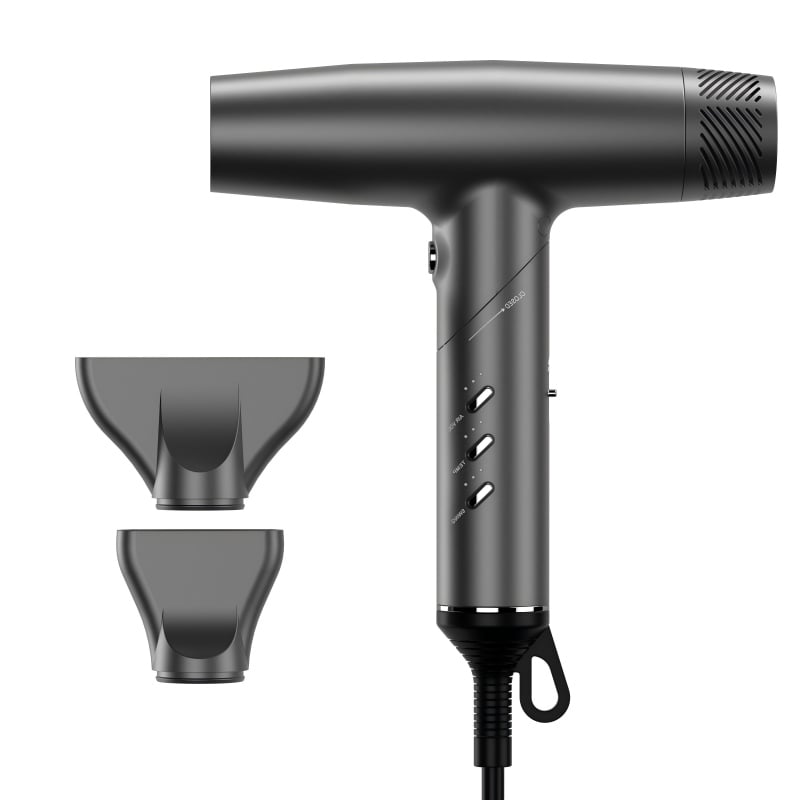
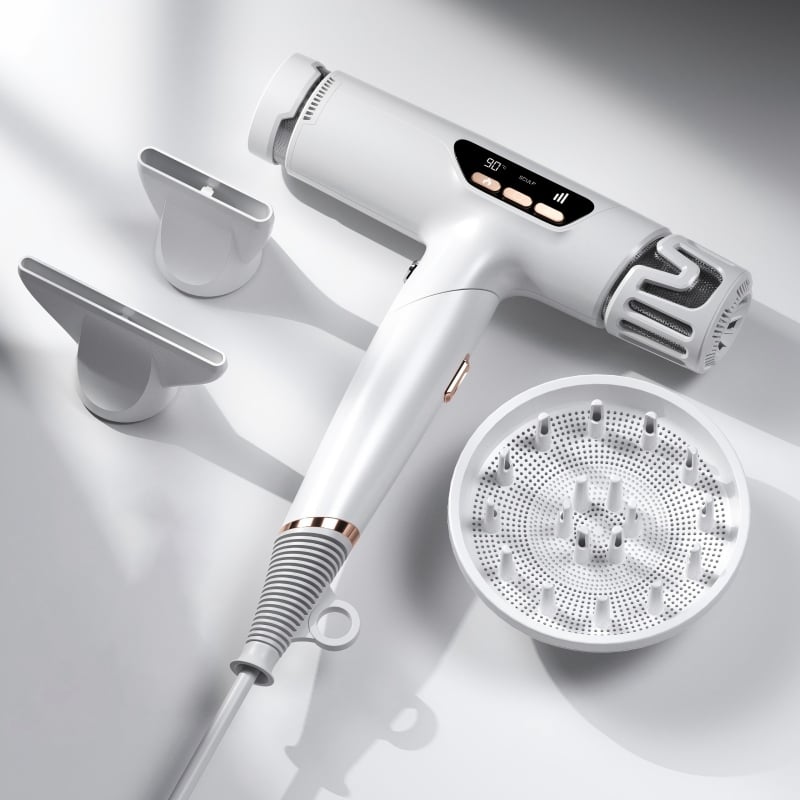
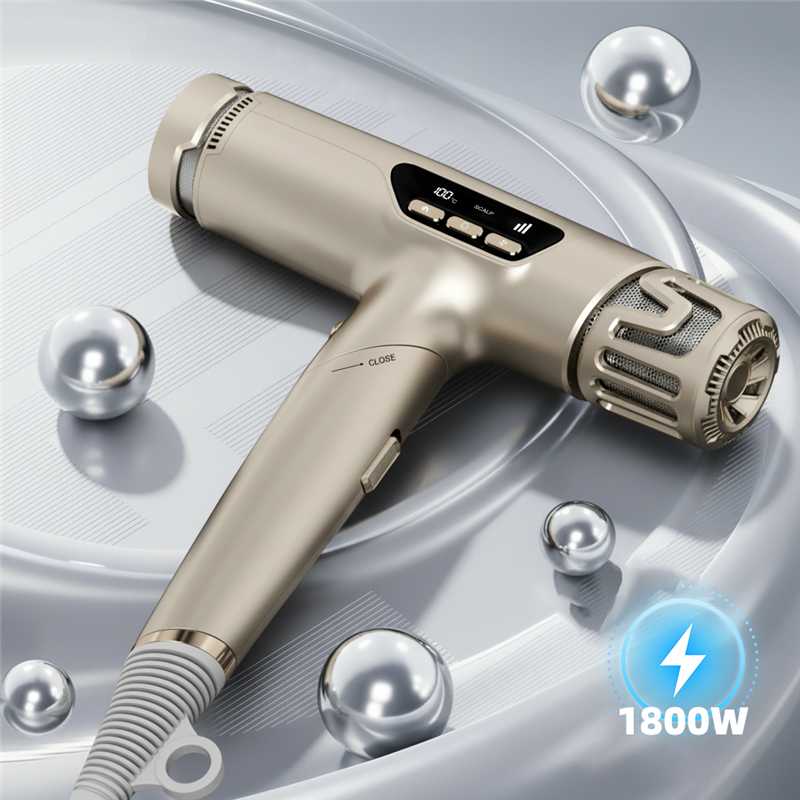
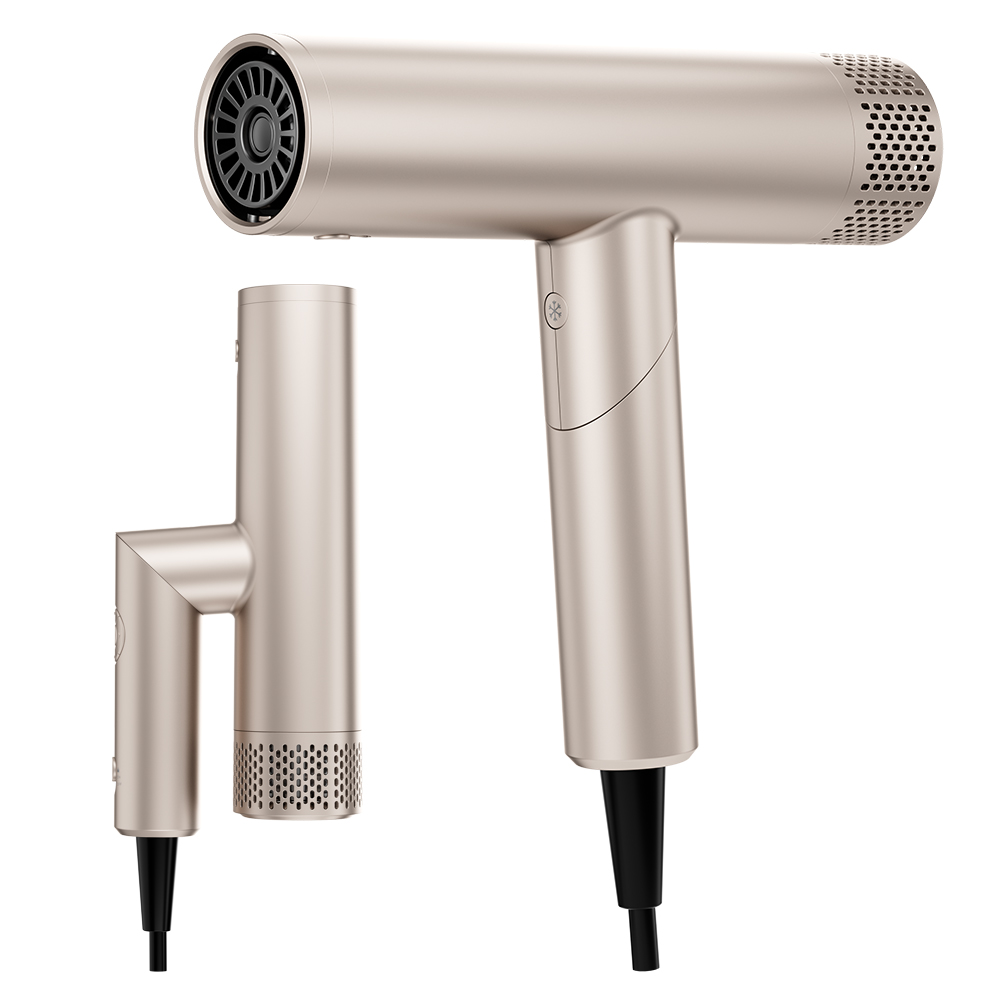
Founded in 2019 and headquartered in Dongguan - widely recognized as the “World’s Factory” - the company specializes in the R&D, manufacturing, and export of high‑end personal care appliances. Its product portfolio includes high‑speed hair dryer engineered with proprietary 90,000rpm BLDC brushless motors delivering peak power output up to 1800W, combined with positive and negative ion functionality and far‑infrared hair care technology. The portable hair dryer line features foldable, lightweight designs with dual voltage hair dryer capability, suitable for travel retail and international hospitality channels.
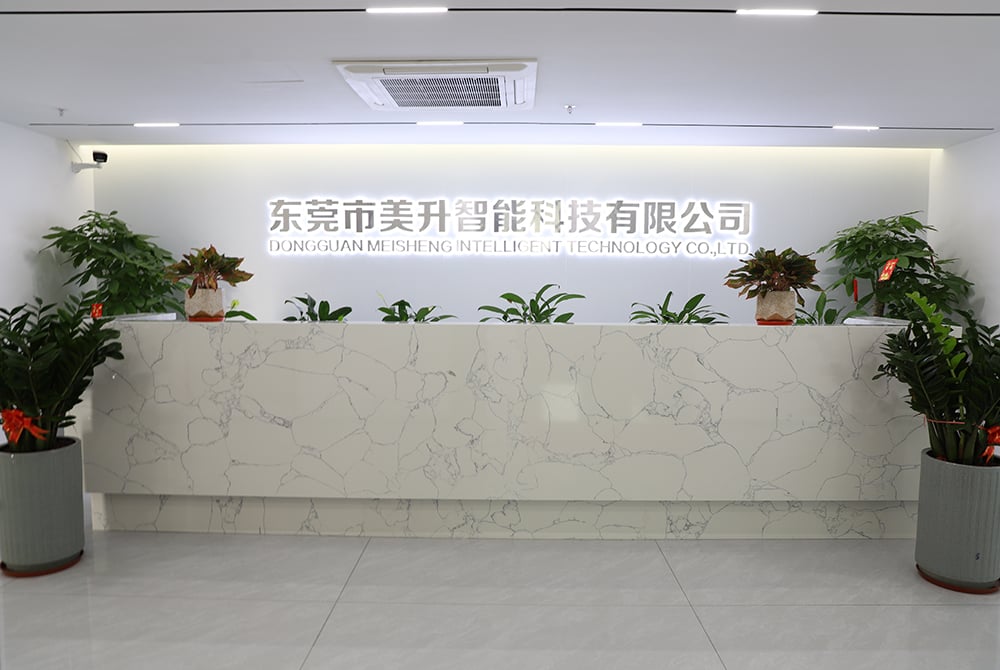
OUMIBEAUTIES operates a 13,181 square meters factory with eight 50‑meter assembly lines and monthly hair dryer production capacity exceeding 112,500 units. The company holds ISO 9001 certification and offers full OEM/ODM customization, with product lines spanning professional salon hair dryer models, ionic hair dryer models producing over 20 million negative ions, and compact high‑speed units for consumer markets. For global buyers seeking a high speed hair dryer manufacturer with documented compliance, transparent production, and scalable customization, OUMI BEAUTIES represent a vetted entry point into China’s premium hair tool supply chain.
 Hot News
2025-11-21

Dongguan Meisheng Intelligent Technology Co.,ltd specializes in high-quality hair tools with full OEM/ODM services. Our advanced R&D centers and ISO-certified production ensure superior performance, safety, and customization. Trusted globally. Request a quote today.
Room 301, building 7,288 nan Yi Street, Qiaotou Qiao East Road, Qiaotou, Guangdong province,China
Copyright © 2025 Dongguan Meisheng Intelligent Technology Co.,Ltd. All rights reserved. Privacy Policy